
The 2026 Mortgage Sweet Spot: Why Rates Are Finally Cooperating (And How to Lock In Before They Don’t)
Introduction
As we enter 2026, the mortgage market presents a unique opportunity for homebuyers and refinancers. After years of fluctuating rates, we’re witnessing a “sweet spot” where mortgage rates are finally cooperating, offering a window of opportunity for those looking to secure favorable terms. In this comprehensive guide, we’ll explore why mortgage rates are currently favorable, how long this trend might last, and crucially, how you can lock in these rates before they change.
Understanding Mortgage Rates in 2026
The mortgage market is influenced by a variety of factors, including economic conditions, federal monetary policy, and global events. To understand why 2026 is a favorable year for mortgage seekers, we need to delve into the elements that have contributed to this environment.
Economic Stability
Economic stability has been a significant factor in the stabilization of mortgage rates. Over the past few years, the global economy has gradually recovered from various shocks, including the pandemic-induced slowdown. This recovery has led to stable employment rates and consumer confidence, both of which are crucial for keeping interest rates in check.
Federal Reserve Policies
The Federal Reserve plays a pivotal role in setting interest rates, which in turn affect mortgage rates. In 2026, the Fed has maintained a balanced approach, neither aggressively raising rates nor cutting them drastically, aiming to control inflation while supporting economic growth. This policy stability has led to favorable mortgage rates for consumers.
Global Influences
Global economic conditions, including trade agreements and geopolitical stability, have also contributed to the current mortgage landscape. A reduction in international tensions and a focus on sustainable economic partnerships have helped maintain low-interest environments globally, benefiting U.S. mortgage rates.
Why Now Is the Time to Act
While the current mortgage rates are favorable, they are not guaranteed to remain this way indefinitely. Several factors could lead to a change in this trend, making it essential for potential borrowers to act promptly.
Potential Economic Shifts
Although the economy is stable now, any unforeseen economic disruptions could lead to changes in interest rates. Economic indicators such as inflation, employment rates, and GDP growth are subject to change, impacting the Fed’s policy decisions and, consequently, mortgage rates.
Predictions for Future Rate Changes
Financial analysts predict that while rates may remain stable in the short term, there is potential for increases as the economy continues to strengthen. Locking in a mortgage rate now could save borrowers from potential hikes in the near future.
Locking In Your Mortgage Rate
Securing a favorable mortgage rate involves strategic planning and timely action. Here are some steps to help you lock in your rate effectively:
1. Get Pre-Approved
Before you begin house hunting or refinancing, get pre-approved for a mortgage. This process involves providing your financial details to a lender, who will then offer a conditional approval based on your creditworthiness. Pre-approval not only gives you a clear idea of how much you can borrow but also positions you as a serious buyer.
2. Monitor Rate Trends
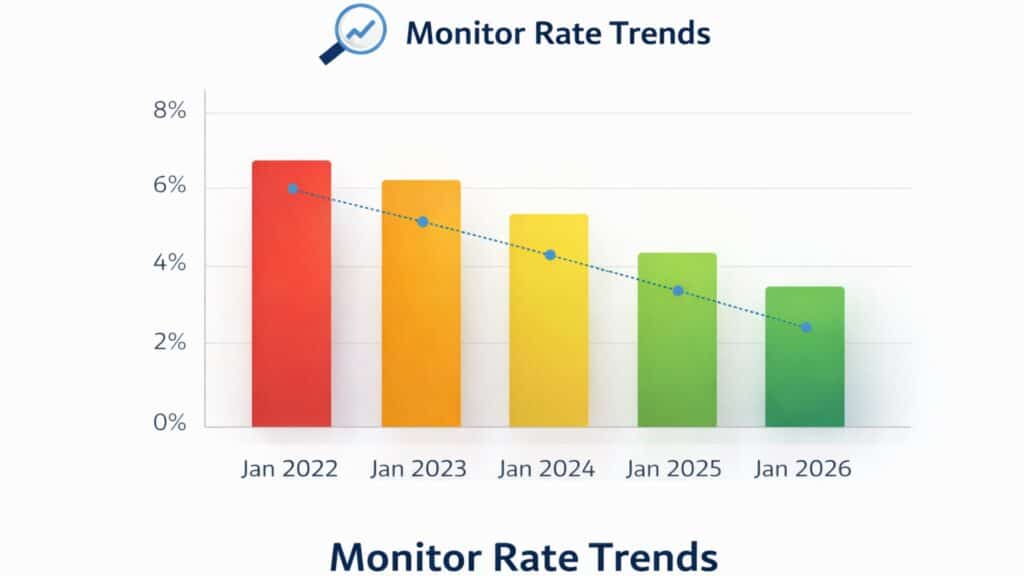
Keep an eye on mortgage rate trends. By staying informed, you can act swiftly when rates dip. Websites like The Mortgage Squad provide valuable insights into current rate trends and predictions.
3. Lock Your Rate
Once you find a rate that suits your needs, consider locking it in. Rate locks typically last for 30 to 60 days, during which your rate won’t change, protecting you from potential increases. Discuss the terms of a rate lock with your lender to ensure it aligns with your home buying or refinancing timeline.
Comparing Mortgage Options
[table id=1 /]
Local Opportunities in Topeka, KS
For residents of Topeka, KS, The Mortgage Squad offers tailored mortgage solutions designed to meet local needs. Whether you’re a first-time homebuyer or looking to refinance, leveraging local expertise can help you navigate the mortgage process more effectively.
Local Programs and Assistance
FAQs on Mortgage Rates and Locking In
- What is a mortgage rate lock?
A mortgage rate lock is an agreement between you and your lender that guarantees a specific interest rate for a set period, usually between 30 to 60 days.
- Can I extend my rate lock?
Yes, most lenders offer the option to extend a rate lock, though this may come with additional fees.
- What happens if rates drop after I lock in?
Some lenders offer a “float-down” option, allowing you to take advantage of lower rates after locking in, though this may also come with a fee.
- Are there risks to not locking in a rate?
Yes, if rates rise, you could end up paying more over the life of your loan if you haven’t locked in a lower rate.
- How do rate locks affect my mortgage application?
Rate locks provide stability during the mortgage application process, allowing you to plan your finances without worrying about fluctuating rates.
Conclusion: Take Action Now
With mortgage rates in a favorable position, now is the time to take action. Whether you’re buying a new home, refinancing, or exploring investment opportunities, locking in a low rate can save you thousands over the life of your loan. Reach out to The Mortgage Squad in Topeka, KS, for expert guidance tailored to your needs.
Contact Rhonda L. Mulvaney (David) today at DavidChittwood@leader1.com or call 17854509056 to discuss your mortgage options and secure your financial future.